

Why Steel Remains One of the Most Reliable Materials in Modern Construction
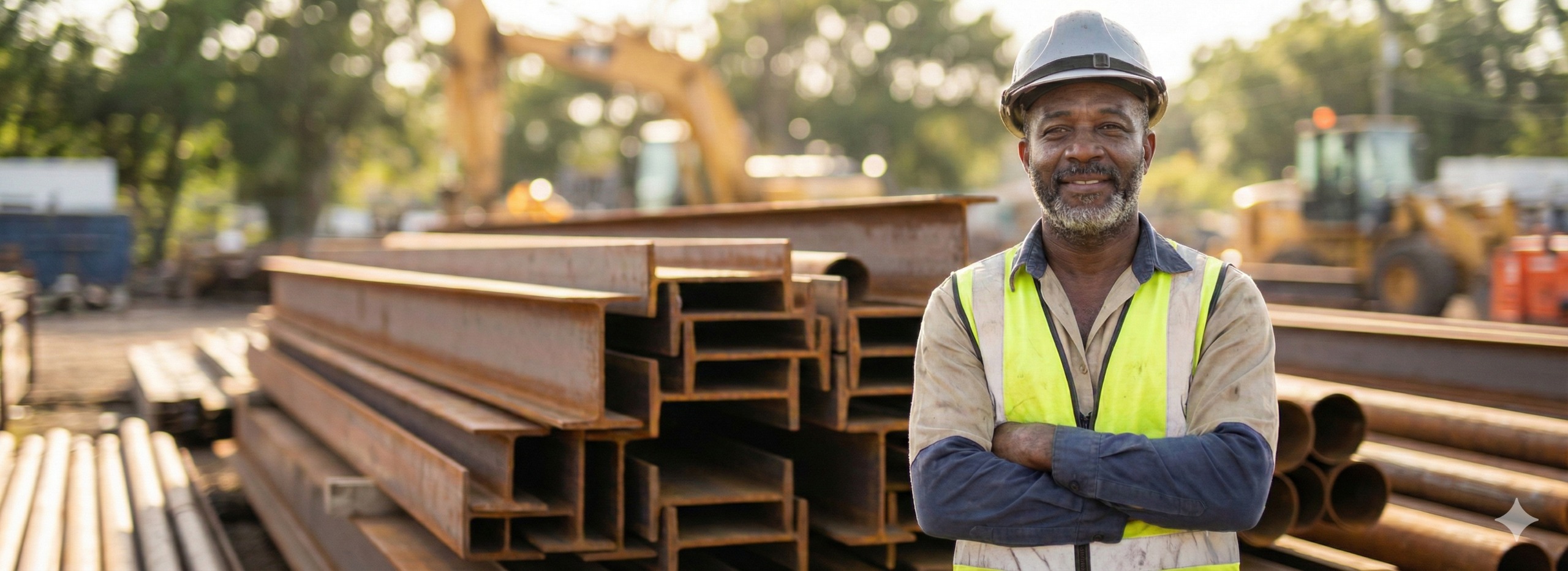
Why Steel Remains One of the Most Reliable Materials in Modern Construction
Steel has been a foundational material for decades – and for good reason. From large-scale commercial buildings to industrial fabrication and everyday tools, steel’s strength, versatility and longevity make it one of the most trusted materials in the world. Whether you’re sourcing steel for fabrication, machinery, construction, repairs or manufacturing, understanding what makes steel so effective and the differences between the various grades is essential.
In this article, we’ll break down why steel is such a dependable material, the benefits it offers, and the key differences between common types of steel, including mild steel, alloy steel and stainless steel.
Why Steel Is a Great Material
- Exceptional Strength and Durability
Steel is renowned for its strength-to-weight ratio, meaning it can withstand heavy loads and extreme conditions without bending or breaking. This makes it ideal for structural work, pressure systems, support beams and machinery. - Long Lifespan
With proper surface treatment and maintenance, steel offers decades of reliable performance. It resists wear, impact and deformation far better than many alternative materials.
- Highly Versatile
Steel can be cut, welded, shaped and fabricated into countless forms, from thin sheets to heavy plate, beams, rods and tubing. Its adaptability is unmatched in industrial applications.
- Cost-Effective
Compared to many specialty metals, steel offers excellent performance at a competitive price point. Mild steel, in particular, is one of the most affordable metals available for fabrication and construction. - Recyclable and Sustainable
Steel is one of the most recycled materials in the world. It can be reused without losing quality, reducing environmental impact while maintaining reliability. Learn more about recycling steel here
Understanding the Different Types of Steel
Not all steel is the same. Steel is primarily categorised by its carbon content and alloy composition, which influence its strength, weldability and corrosion resistance. Here’s a breakdown of the most commonly used types:
1. Mild Steel (Low-Carbon Steel)
Best for: fabrication, welding, construction, general industrial use.
Mild steel is the most widely used type of steel, known for its excellent weldability, ductility and affordability.
- Contains low carbon (typically up to 0.25%).
- Easy to cut, shape and weld.
- Perfect for structural work, brackets, frames, gates, tools and machinery parts.
Grade B mild steel, for example, is a popular option due to its balanced strength and workability, making it ideal for general fabrication.
2. Medium-Carbon Steel
Best for: automotive parts, machinery, tools.
Medium-carbon steels provide a stronger, harder material while maintaining some flexibility.
- Carbon content: 0.25%–0.60%.
- More difficult to weld than mild steel.
- Often heat-treated to increase strength.
3. High-Carbon Steel
Best for: blades, high-strength wires, cutting tools.
High-carbon steel is extremely strong but brittle.
- Carbon content: 0.60%–1.25%.
- Excellent wear resistance.
- Used in springs, tools, chisels and knives.
4. Alloy Steel
Best for: heavy-duty industrial applications, pipelines, automotive components.
Alloy steel incorporates metals like chromium, nickel or manganese to enhance properties.
- Improved corrosion resistance, hardness, or strength.
- Highly used in engineering and manufacturing.
5. Stainless Steel
Best for: marine environments, food production, medical equipment.
Stainless steel is defined by its chromium content (at least 10.5%), which gives it impressive corrosion-resistance.
- Doesn’t rust easily.
- Extremely durable.
Used where hygiene or exposure to moisture/salt is a concern/
Which Steel Should You Choose?
Choosing the right steel depends on what you’re building or repairing:
| Application | Recommended Steel |
| General fabrication | Mild steel (Grade B) |
| Structural frames | Mild or alloy steel |
| Marine / corrosive environments | Stainless steel |
| High-strength tools | Medium or high-carbon steel |
| Automotive / engineering | Alloy or medium-carbon steel |
Mild steel (especially American-grade options) remains the go-to for most projects thanks to its reliability, ease of use and cost-effectiveness.
Conclusion
Steel’s unique combination of strength, versatility and longevity makes it one of the most valuable materials across industries. From mild steel to high-carbon and stainless varieties, each type brings its own advantages – and understanding these differences ensures every project is built on a strong foundation.
Pure Air is proud to supply high-quality USA mild carbon steel right here in Cayman, offering reliable stock, expert guidance and the materials you need to get your project done right. If you need support selecting the right steel or want to explore available sizes, our team is ready to help, contact us today.
More articles
The Benefits of Custom Gas Mixes for Your Business
When it comes to industrial operations, precision matters. At Pure Air, we understand that every business has unique needs, and...
Read More
The importance of hydration & power of electrolytes
In the Cayman Islands, we’re blessed with hot, sunny weather year round. For tradesmen who spend their days outdoors, whether...
Read More
Respiratory Protection: The Key to Healthier Living
Why Respiratory Protection Matters Breathing is something we often take for granted, at least until the air around us isn’t...
Read More