

Heat Stress on the Job: Warning Signs Every Worker Should Know
Heat Stress on the Job: Warning Signs Every Worker Should Know
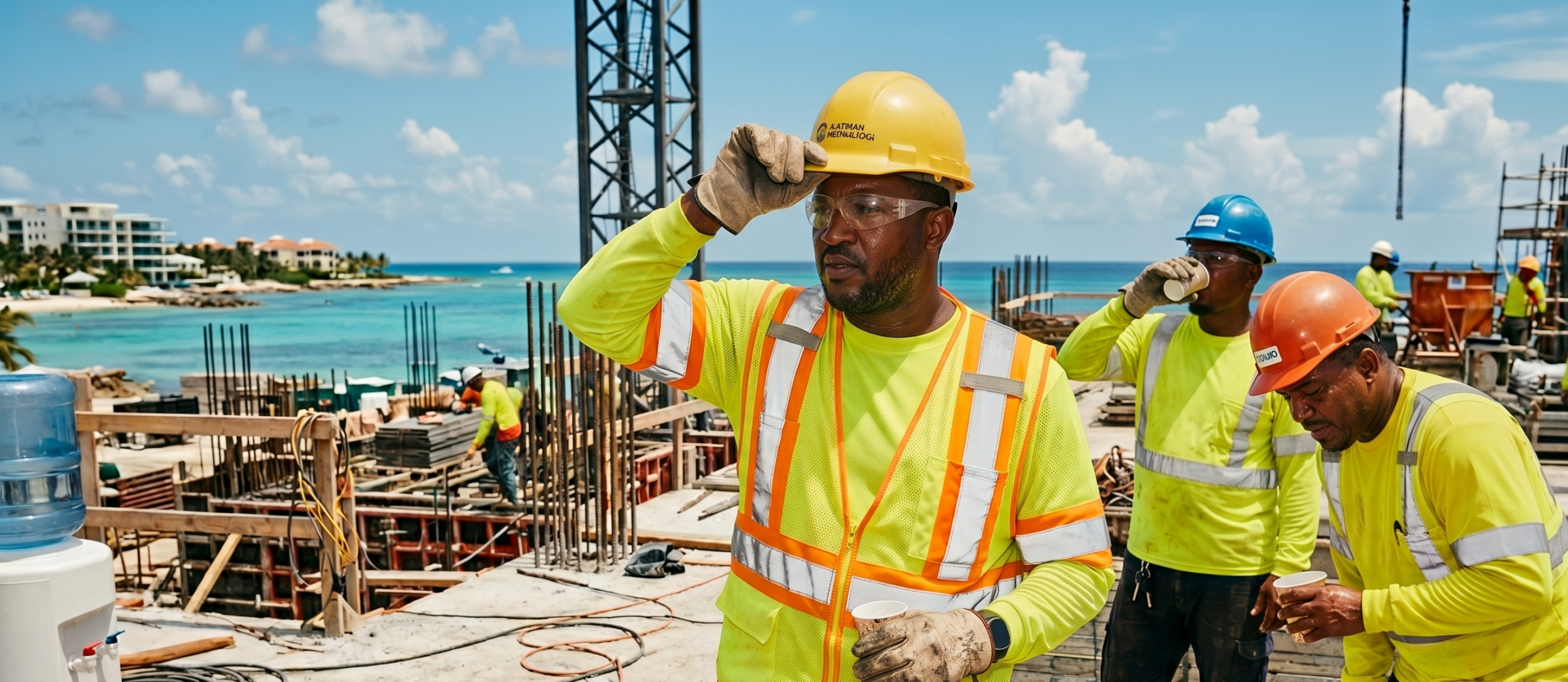
Working in the Cayman Islands means working in the heat. Whether you are on a construction site, welding, delivering supplies, maintaining equipment, working outdoors, or operating in a hot indoor environment, high temperatures can quickly become more than uncomfortable. They can become dangerous.
Heat stress happens when the body struggles to cool itself down. When this occurs, workers may experience heat-related illnesses such as heat cramps, heat exhaustion, or in severe cases, heat stroke. For businesses and workers, understanding the warning signs is essential. The earlier heat stress is recognised, the faster action can be taken to protect health, safety, and productivity.
Why Heat Stress Matters in the Workplace
Heat stress is not just an outdoor issue. It can affect anyone working in hot, humid, or physically demanding conditions. In Cayman’s climate, the risk is even higher for workers who spend long hours in direct sun, wear heavy PPE, perform manual labour, or work near heat-producing equipment.
Common high-risk roles include:
- Construction workers
- Welders and fabricators
- Delivery and warehouse teams
- Landscaping and outdoor maintenance crews
- Roadside and utility workers
- Industrial and mechanical teams
- Event crews and setup teams
When the body overheats, it can affect focus, coordination, decision-making, and physical performance. This increases the risk of accidents, mistakes, and injury on the job.
Early Signs of Heat Stress
Heat stress can build gradually. Workers may not realise how serious it is until symptoms become difficult to ignore.
Early warning signs can include:
- Heavy sweating
- Thirst
- Fatigue or weakness
- Headache
- Dizziness or light-headedness
- Muscle cramps
- Irritability
- Nausea
- Fast heartbeat
- Cool, clammy skin
These symptoms should never be brushed off as “just the heat.” They are the body’s way of signalling that it is under strain.
If a worker starts showing these signs, they should stop work, move to a cooler or shaded area, drink fluids, and rest. Supervisors should check in regularly and make sure symptoms improve before the worker returns to their task.
Heat Exhaustion vs Heat Stroke
Knowing the difference between heat exhaustion and heat stroke can save a life.
Heat Exhaustion
Heat exhaustion is serious and usually happens after the body loses too much water and salt through sweating. It may develop during long periods of physical work in hot weather, especially when workers are not drinking enough fluids or taking enough breaks.
Signs of heat exhaustion may include:
- Heavy sweating
- Weakness or tiredness
- Dizziness
- Headache
- Nausea or vomiting
- Muscle cramps
- Cool or clammy skin
- Fast or weak pulse
If heat exhaustion is suspected, the worker should be moved to a shaded or air-conditioned area immediately. Loosen any unnecessary clothing or PPE, provide cool fluids if they are alert and able to drink, and help cool the body with fans, cool cloths, or water.
If symptoms do not improve, or if the person becomes confused, faints, vomits repeatedly, or cannot drink, seek medical help immediately.
Heat Stroke
Heat stroke is a medical emergency. It happens when the body can no longer regulate its temperature properly. It can cause serious injury or death if not treated quickly.
Warning signs of heat stroke include:
- Confusion or unusual behaviour
- Slurred speech
- Loss of consciousness
- Seizures
- Very high body temperature
- Hot, dry skin or heavy sweating
- Rapid heartbeat
If heat stroke is suspected, call emergency services immediately. While waiting for help, move the person to a cooler place and begin cooling them as quickly as possible. Do not leave them alone.
How Employers Can Help Prevent Heat Stress
Preventing heat stress starts with planning. Employers should make heat safety part of everyday workplace operations, especially during the hottest months of the year.
Practical steps include:
- Provide Easy Access to Drinking Water
Workers should have clean, cool drinking water available throughout the day. Hydration should be encouraged before, during, and after shifts, not only when someone feels thirsty.
For physically demanding work, especially when sweating heavily, electrolyte support can also help replace salts and minerals lost through sweat. At Pure Air we offer Sqwincher electrolytes, which are designed to support hydration in demanding work environments. They can be a practical addition for teams working outdoors, on-site, or in hot indoor conditions where heat stress is a daily concern.
By helping replenish key electrolytes, Sqwincher products support better hydration, reduce the risk of dehydration, and help workers stay alert and ready to perform safely throughout the day.
- Schedule Regular Breaks
Rest breaks are essential in hot conditions. Workers should have access to shaded or cooler rest areas and should be encouraged to take breaks before they feel unwell.
Where possible, schedule the most physically demanding tasks earlier in the morning or later in the day when temperatures are lower.
- Train Workers to Spot the Warning Signs
Everyone on site should know the symptoms of heat stress, heat exhaustion, and heat stroke. Workers should also feel comfortable speaking up if they or a colleague are feeling unwell.
Heat safety training is especially important for new workers, younger workers, and anyone not yet used to working in hot conditions.
- Review PPE and Workwear
PPE is essential for workplace safety, but it can also add to heat strain, especially when it is heavy, layered, or worn for long periods.
Employers should review PPE requirements carefully and make sure workers have the right protection for the task without unnecessary added heat. This may include appropriate gloves, eye protection, hard hats, protective clothing, and respiratory protection where required.
At Pure Air, we offer a broad range of PPE suitable for a variety of working conditions, including hot weather environments. From protective gloves and safety eyewear to workwear and other essential safety supplies, Pure Air can help businesses find practical PPE options that support worker protection without ignoring comfort in Cayman’s climate.
The goal is not to reduce safety standards. The goal is to choose the right safety equipment and manage heat risk properly.
- Keep First Aid Supplies Ready
Workplaces should have first aid supplies easily available and ensure workers know where they are located. Supervisors should also know what steps to take if someone shows signs of heat exhaustion or heat stroke.
A clear emergency plan can make all the difference when minutes matter.
Heat Safety Is Everyone’s Responsibility
Heat stress prevention is not only a management issue. It is a team responsibility.
Workers should:
- Drink water regularly
- Take scheduled breaks
- Report symptoms early
- Look out for co-workers
- Wear required PPE correctly
- Avoid pushing through serious warning signs
Supervisors should:
- Monitor workers closely in hot conditions
- Encourage breaks and hydration
- Adjust workloads where needed
- Watch for changes in behaviour or performance
- Respond quickly when symptoms appear
In hot weather, “toughing it out” is not worth the risk. Acting early helps prevent minor symptoms from becoming serious emergencies.
Be Prepared for the Heat
In Cayman’s climate, heat safety should be part of every workplace safety plan. With the right preparation, businesses can help protect their teams while keeping work moving safely and efficiently.
Pure Air supports local businesses with a range of workplace safety products, including PPE, first aid supplies, hydration support, welding safety equipment, and industrial supplies for demanding work environments.
Whether your team is working outdoors, on-site, in a workshop, or around high-heat equipment, having the right products and safety practices in place can help reduce heat-related risks.
Stay prepared. Stay protected. Stay safe in the heat.
More articles
The Essential PPE Checklist for Cayman Construction Teams
Construction work in the Cayman Islands brings a unique set of challenges. Teams are often working in high heat, strong...
Read More
How Steel Performs in Coastal Climates Like the Cayman Islands
Steel is one of the most widely used construction materials in the world. But how does it really perform in...
Read More
Why Steel Remains One of the Most Reliable Materials in Modern Construction
Steel has been a foundational material for decades - and for good reason. From large-scale commercial buildings to industrial fabrication...
Read More